Bringing home a new puppy is exciting, emotional, and let’s be honest — slightly overwhelming. Those first 12 weeks puppy training are critical in shaping your dog’s future behaviour, confidence and relationship with you.
At Maisie’s Pet Boutique, we provide one-to-one dog training and behaviour consultations in Redditch, helping new owners start off on the right paw from day one.
Here’s what every new puppy owner should know.
Why the First 12 Weeks Matter So Much
The early weeks are known as the critical socialisation period. During this time, your puppy’s brain is developing rapidly and they’re learning what’s safe, what’s normal, and how to respond to the world around them.
Positive experiences now = confident adult dog
Poor or limited exposure = anxiety and behavioural issues later
It’s not about overwhelming them. It’s about calm, controlled, positive introductions.
1. Creating a Safe Space at Home
Your puppy needs somewhere they can retreat and relax.
This might include:
- A crate (used positively)
- A soft bed in a quiet corner
- Access to water at all times
- A predictable daily routine
Crate training, when introduced properly, helps with:
- Toilet training
- Preventing destructive behaviour
- Building independence
Consistency is key. Puppies thrive on routine.
2. Toilet Training: Start Immediately
Toilet training should begin on day one.
Simple rules:
- Take them out after sleeping
- After eating
- After play
- Every 1–2 hours initially
Reward immediately when they go outside. Avoid punishment — it creates fear and confusion.
Most puppies don’t have full bladder control until around 12–16 weeks, so patience is essential.
3. Socialisation Done the Right Way
Socialisation doesn’t mean letting everyone crowd your puppy.
It means controlled exposure to:
- Different people (ages, appearances, voices)
- Gentle, vaccinated dogs
- Household noises
- Traffic sounds
- Car journeys
- Different surfaces (grass, pavement, gravel)
If you’re in Redditch, gradual exposure to local environments like residential streets and parks can build confidence — once vaccinations are complete and your vet gives the go-ahead.
The goal is calm curiosity, not overwhelm.
4. Puppy Biting & Teething
All puppies bite. It’s completely normal.
They bite because:
- They’re teething
- They explore with their mouths
- They’re overstimulated
Instead of shouting or pushing them away:
- Redirect to a toy
- Pause play if biting continues
- Reward calm behaviour
Biting usually peaks between 8–16 weeks, so this stage does pass with the right guidance.
5. Building Positive Habits Early
Your puppy is always learning — whether you’re training or not.
Start teaching:
- Their name
- Recall basics
- Calm greetings
- Lead introduction
- “Sit” and “leave”
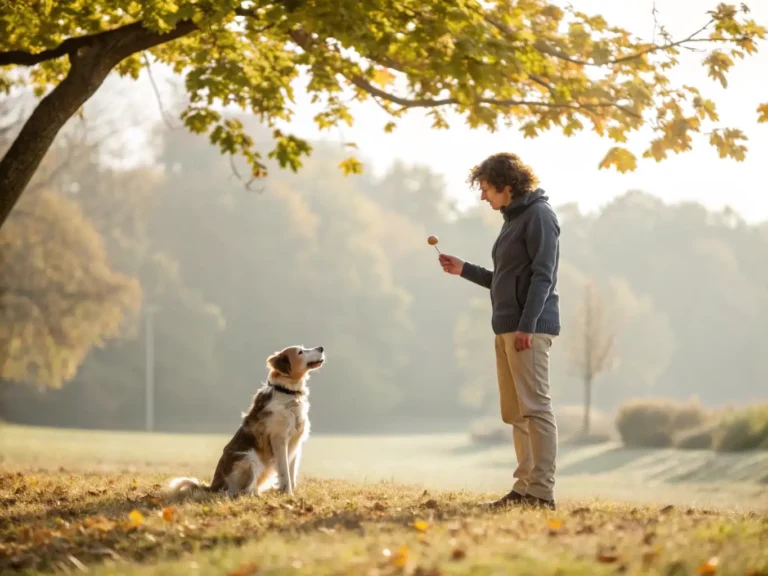
Short sessions (3–5 minutes) are perfect. Keep training fun, reward-based and consistent.
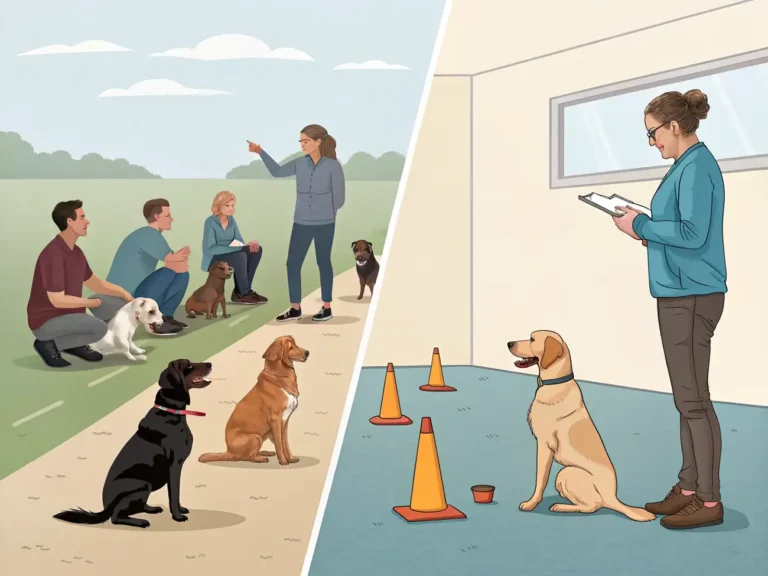
This is where one-to-one guidance can make a huge difference. Every puppy learns differently, and personalised support helps prevent future issues.
6. Preventing Separation Anxiety
Many behaviour consultations later in life relate to separation anxiety.
From the beginning:
- Avoid constant attention
- Encourage independent play
- Practise short periods apart
- Don’t make a big fuss when leaving or returning
Teaching independence early builds emotional resilience.
Vaccinations & Safe Exploration
Follow your vet’s vaccination schedule carefully.
Until fully vaccinated:
- Avoid unknown dogs
- Avoid high-traffic dog areas
- Carry your puppy in busier places
Once protected, gradual exposure to parks and new environments becomes a powerful training opportunity.
When to Seek Professional Support
Early support prevents long-term problems.
If you notice:
- Excessive fear
- Growling or guarding behaviour
- Extreme anxiety
- Difficulty settling
- Persistent biting beyond normal teething
It’s best to seek guidance sooner rather than later.
At Maisie’s Pet Boutique, our one-to-one dog training and behaviour consultations in Redditch are tailored to your puppy, your home, and your lifestyle — because no two dogs are the same.
Final Thoughts
The first 12 weeks lay the foundation for your puppy’s entire life.
Focus on:
- Patience
- Positive reinforcement
- Routine
- Calm socialisation
- Building trust
And remember — you don’t have to navigate it alone.
If you’ve recently welcomed a puppy into your home in Redditch and would like personalised support, Maisie’s Pet Boutique is here to help you raise a confident, well-mannered companion.