Choosing the right type of dog training can make a significant difference to the progress you and your dog achieve. Group dog training classes and one-to-one sessions can both be extremely effective, but they offer different environments and benefits. The best choice depends on your dog’s age, temperament, current skills and the behaviours you would like to address.
What happens in group dog training classes?
Group classes bring several owners and dogs together to learn under the guidance of a professional trainer. A structured course may cover basic obedience, recall, loose-lead walking, impulse control, settling and polite behaviour around people and other dogs.
Working near other dogs introduces controlled distractions. This can help your dog learn that they still need to listen to you when something interesting is happening nearby. Classes also allow owners to learn from demonstrations, practise exercises and share the experience with people facing similar challenges.
The benefits of group classes
- Practising attention around other dogs and people
- Learning in a structured and supportive setting
- Following a progressive course with weekly goals
- Building confidence in appropriate social environments
- Meeting other local dog owners
- Often providing a cost-effective introduction to professional training
Group classes can be particularly helpful for puppies and sociable dogs that can concentrate in the presence of others. However, socialisation does not mean allowing every dog to greet or play. It includes learning to remain calm and comfortable while other dogs are present.
What is one-to-one dog training?
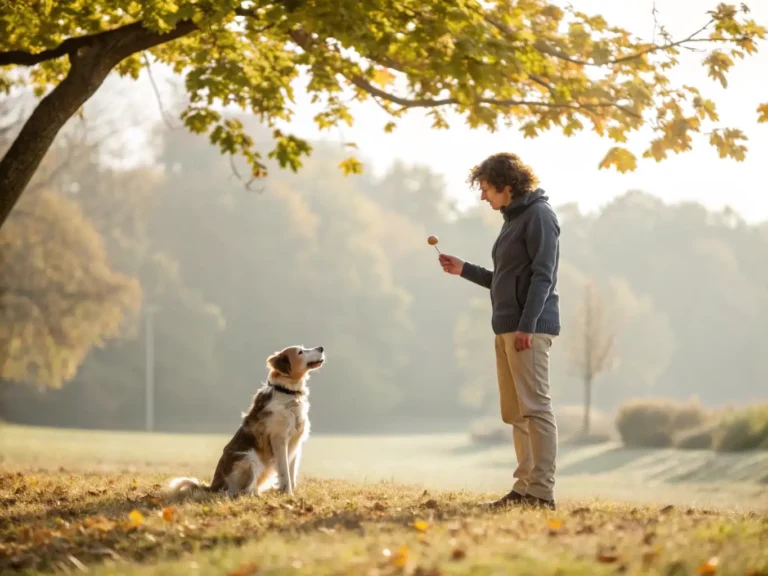
During one-to-one training, the session is dedicated entirely to you and your dog. The trainer can discuss your routine, your dog’s history and the situations in which difficulties occur before creating a personalised training plan.
Sessions may take place at home, at a training venue or in a suitable outdoor environment. This allows training to be carried out where it will be most useful. A dog that pulls only on busy streets, for example, may benefit from practising in a carefully selected real-life location.
The benefits of one-to-one training
- Exercises tailored to your dog and household
- Individual attention throughout the session
- Flexible work on particular behaviours or goals
- The ability to control the level of distraction
- Support for dogs that feel overwhelmed in a group
- Advice that fits your daily routine and experience
Which option is best for your dog?
Group classes may be a good choice if your dog is comfortable around others and you want to develop general obedience in a controlled social setting. They can also provide a helpful next step for puppies that have completed an introductory course.
One-to-one training may be more suitable when a dog is nervous, easily overwhelmed or unable to focus in a busy class. It is also helpful when you need to work on one specific issue, require a flexible appointment or want the trainer to observe behaviour in your home environment.
Some dogs benefit from a combination. Individual sessions can establish foundation skills and confidence before the dog moves into a group class to practise around distractions.
Consider the behaviour you want to address
General manners and obedience often work well in either format. More complex behavioural concerns should be discussed with a suitably qualified professional before enrolling in a class. This ensures that the training environment is appropriate and that your dog receives the level of support they need.
Dog training tailored to you
Maisie’s Dog Training offers dog training services for owners throughout Redditch, Bromsgrove, Hanbury, Droitwich and Stratford-upon-Avon. Options include group obedience classes, puppy classes and tailored one-to-one sessions using positive, science-based methods.
If you are unsure which option would suit your dog, contact Maisie’s Dog Training. We can discuss your goals and help you choose an appropriate starting point.