Dog obedience is not about expecting perfect performance. It is about creating clear communication and teaching practical skills that help your dog navigate everyday life safely. A small number of well-practised cues can make walks, visitors, mealtimes and trips away from home much easier.
Training should be positive, consistent and appropriate for your dog. Begin in a quiet place, reward successful responses and increase distractions gradually. The following commands provide useful foundations for dogs of all ages.
1. Sit
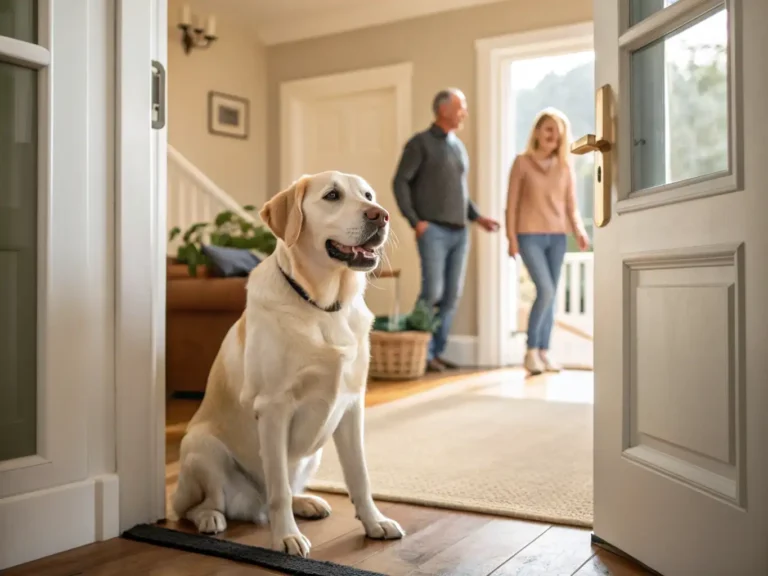
“Sit” is often one of the first cues taught because it is simple and useful. It can encourage calm behaviour before meals, at doors, when attaching a lead or while greeting someone. Use a treat to guide your dog’s nose gently upwards; as their head follows, their bottom will often lower naturally. Mark and reward the moment they sit, without pushing them into position.
2. Stay or wait
A stay asks your dog to remain in position until released. A wait is often used for a temporary pause, such as before crossing a road or getting out of the car. Decide how you will use each word and be consistent.
Start with a very short duration and stand close to your dog. Reward before they move, then gradually build time and distance. Do not increase duration, distance and distraction all at once.
3. Come
A reliable recall is one of the most important skills a dog can learn. Begin indoors or in a secure space. Say your recall cue once in an upbeat voice, move away to encourage your dog to follow and reward generously when they reach you.
Avoid calling your dog only when fun is about to end. Practise recalling, rewarding and releasing them again so returning to you does not always predict going home or being put on the lead.
4. Leave it
“Leave it” asks your dog not to take or approach something. This can be valuable around dropped food, rubbish, wildlife or unsafe items. Begin with a low-value item covered by your hand. Reward your dog from the other hand when they move away or stop trying to reach it. Progress slowly to visible items and real-life situations.
5. Drop
“Drop” means releasing something already held in the mouth. Teach it through a fair exchange rather than chasing or forcibly removing items. Offer a high-value treat, mark the moment your dog releases the object and then return safe objects regularly. This helps prevent the cue from becoming a signal that something enjoyable will always be taken away.
6. Heel or close
Loose-lead walking allows your dog to walk without maintaining a formal competition-style heel. A “close” or “heel” cue is still useful when passing people, navigating narrow paths or crossing roads. Reward your dog beside you for short stretches before releasing them to walk and sniff more freely.
7. Settle
Teaching a dog to relax on a bed or mat can support calm behaviour at home, in cafés or when visitors arrive. Place the mat in a quiet area and reward your dog for choosing to step onto it, sit or lie down. Calmly deliver treats between their paws and keep early sessions short.
8. Release cue
A release word such as “free” or “finished” tells your dog when an exercise has ended. This makes cues such as stay, wait and settle much clearer because your dog learns that they should remain in place until released.
How to make obedience training successful
- Use short sessions and finish while your dog is still engaged
- Reward the behaviour you want to see repeated
- Use the same cue and rules throughout the household
- Practise in different places only after the skill is understood
- Make exercises easier if your dog becomes confused
- Allow time for rest, play and natural dog behaviour
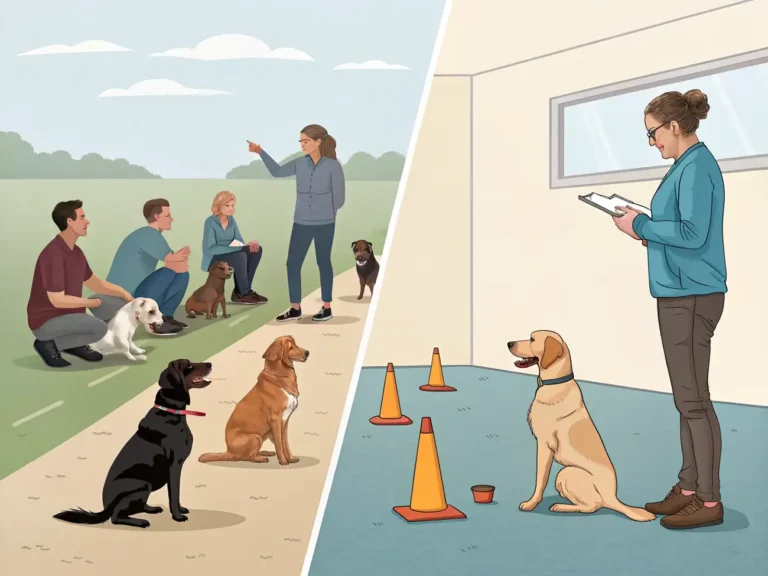
Maisie’s Dog Training provides dog obedience training, group classes and one-to-one support across Redditch, Bromsgrove, Hanbury, Droitwich and Stratford-upon-Avon. Get in touch if you would like help building reliable everyday skills with your dog.