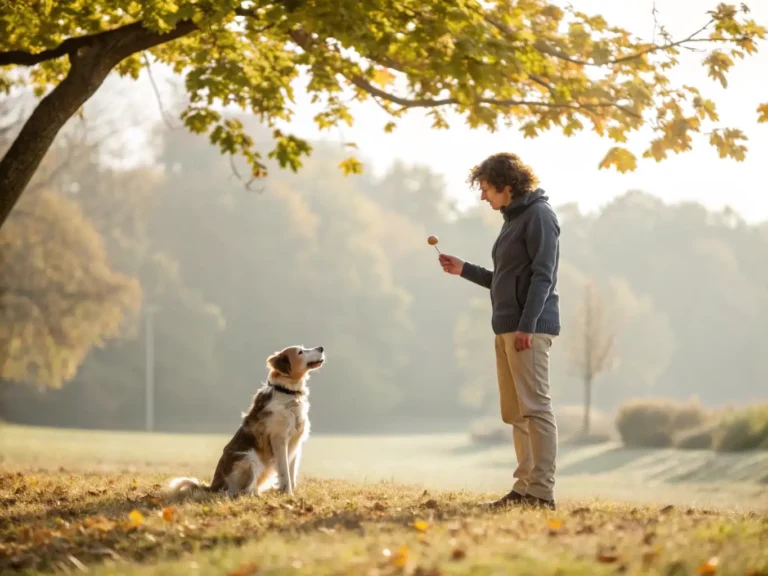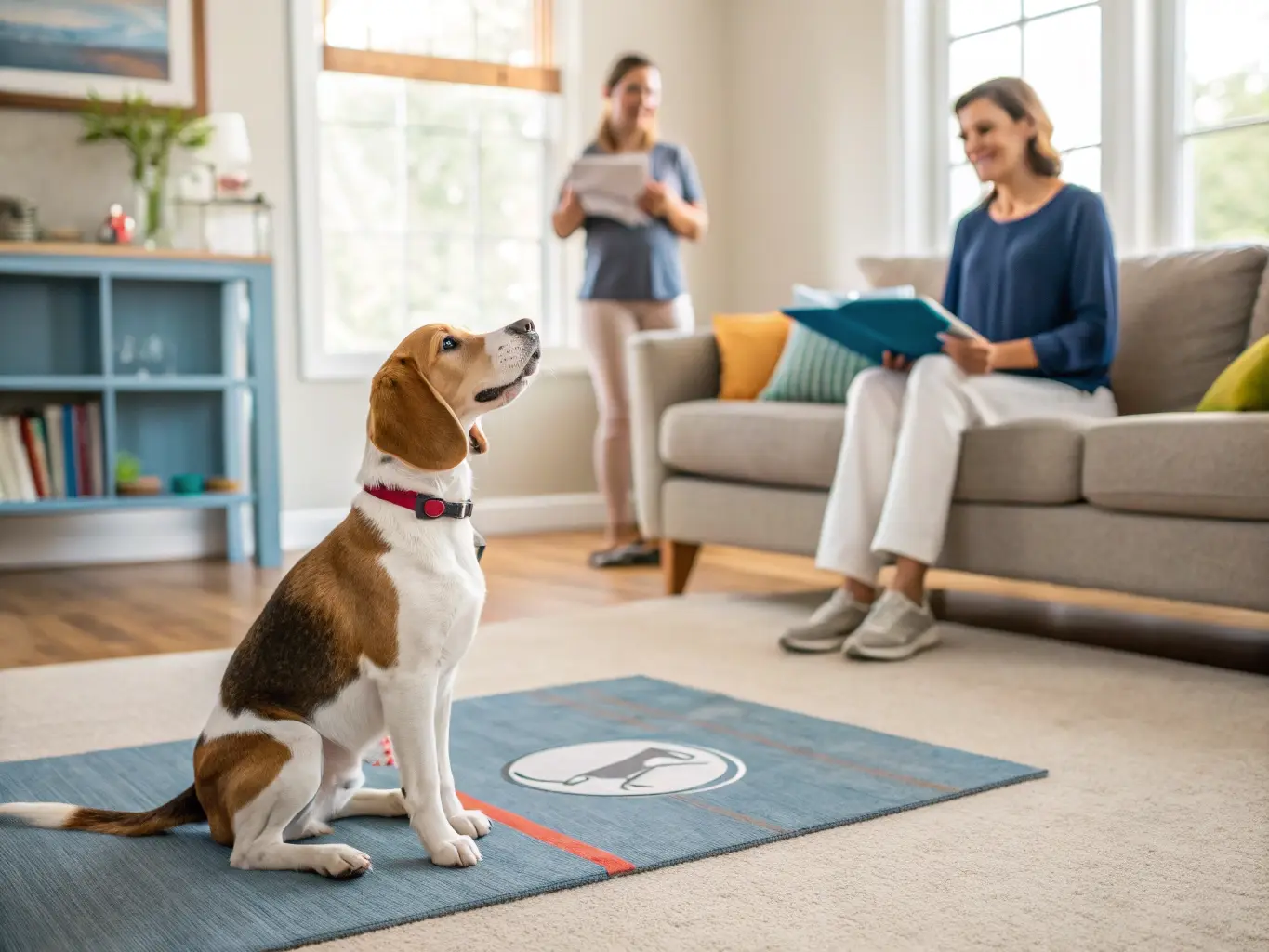
Dogs learn through repeated experiences and the consequences that follow their behaviour. If the rules, cues or rewards change from one day to the next, it becomes much harder for them to understand what is expected. Consistency is therefore one of the most important parts of successful dog training.
Being consistent does not mean being harsh or rigid. It means making communication predictable, setting realistic boundaries and ensuring that the behaviour you want is regularly reinforced.
Use the same cues
A dog may be asked to “down”, “lie down” and “get down” by different family members, even though each person expects the same response. To us, the meaning seems obvious. To the dog, these sound like three separate cues.
Agree on one short word for each behaviour and make sure everyone uses it. The cue should be given once, followed by enough time for the dog to respond. Repeating a word many times can teach a dog that the first cue is not important.
Keep household rules clear
Mixed rules are another common source of confusion. If one person allows the dog on the sofa while another tells them off for climbing up, the dog cannot reliably predict what will happen. Decide which boundaries matter to your household and make them easy for the dog to follow.
If you do not want your dog jumping up at visitors, every greeting should reward four paws on the floor. Allowing jumping when wearing old clothes but discouraging it when dressed for work is a distinction most dogs will struggle to understand.
Reward the behaviour you want
Dogs repeat behaviours that work for them. Rewards may include food, praise, play, access to the garden, greeting another dog or being released to sniff. Notice good choices and reward them before unwanted behaviour develops.
For example, regularly rewarding your dog for lying calmly on a mat makes settling more worthwhile. Waiting until they bark for attention and then responding can accidentally reinforce barking instead.
Build training into daily life
Consistency is easier when training becomes part of your normal routine. You do not need to schedule long formal sessions every day. Practise a wait before opening the door, recall your dog during a secure walk, reward loose-lead steps on the way to the park and use a settle mat while you prepare dinner.
Several short sessions of one or two minutes can be more effective than a single lengthy session, particularly for puppies and easily distracted dogs.
Make progress gradually
A dog that responds perfectly in the kitchen may not yet understand the same cue in a busy park. Dogs do not always generalise learning automatically, so skills need to be practised in a variety of places.
Increase difficulty in small steps. Start in a quiet environment, then introduce mild distractions while keeping the exercise achievable. If your dog begins to struggle, reduce the challenge rather than repeating the command more forcefully.
What if progress is inconsistent?
Training progress is rarely a straight line. Tiredness, excitement, unfamiliar environments, adolescence and changes in health can all affect behaviour. A difficult day does not mean that previous training has failed. Return to an easier version of the exercise, reward success and rebuild from there.
A simple consistency checklist
- Does everyone use the same cue?
- Are the household rules clear and realistic?
- Is the desired behaviour rewarded regularly?
- Are training sessions short enough to remain enjoyable?
- Are distractions introduced gradually?
- Does your dog have enough rest and opportunity to behave naturally?
If you need help creating a training plan that works in real life, Maisie’s Dog Training offers one-to-one dog training and group classes for owners in Redditch, Bromsgrove, Hanbury, Droitwich and Stratford-upon-Avon. Contact us to discuss your dog’s needs.