Puppy training classes provide far more than an opportunity to teach “sit”. A well-structured course helps owners understand how puppies learn while introducing practical skills that support safety, confidence and good behaviour. The aim is not to create a perfectly obedient puppy in a few weeks, but to give you strong foundations that can be developed throughout your dog’s life.
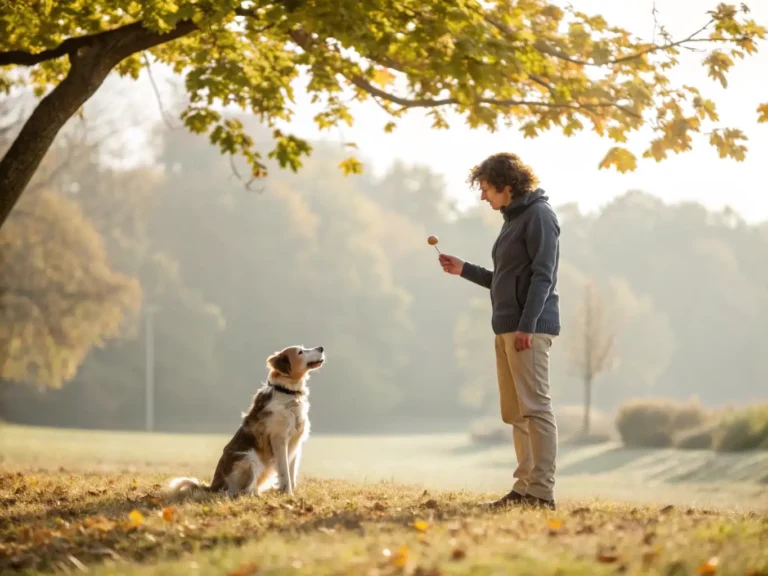
Responding to their name
Your puppy’s name should become a positive signal to pay attention. Classes can show you how to reward your puppy for turning towards you and how to build focus gradually around distractions. This foundation supports almost every other area of training.
Recall
Coming back when called is an essential safety skill. Early exercises begin at close range with valuable rewards. You will learn how to make returning worthwhile, avoid weakening the cue and increase distance and distraction at an appropriate pace.
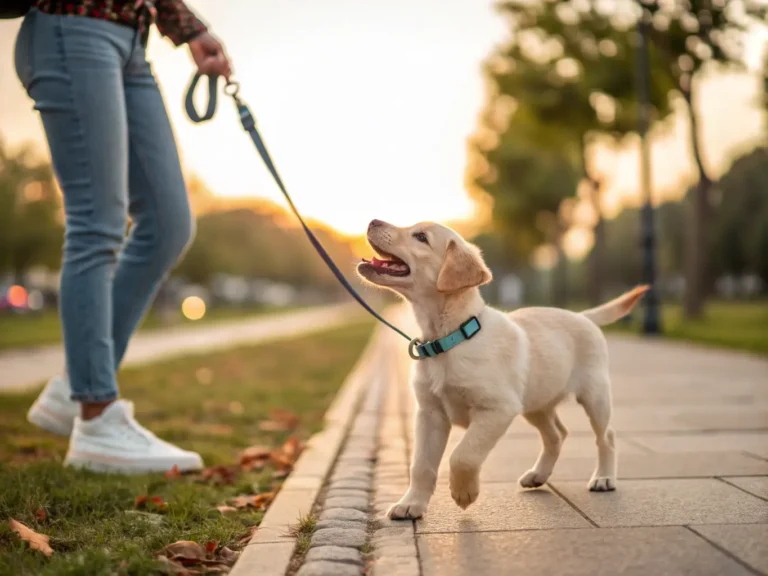
Loose-lead walking
Puppies naturally want to explore and often move faster than their owners. Classes introduce the idea that remaining close and keeping the lead loose allows the walk to continue. Starting early helps prevent pulling from becoming a well-rehearsed habit.
Leave and drop
Puppies investigate with their mouths, so “leave” and “drop” can be lifesaving cues. Positive exercises teach puppies to move away from an item or exchange it willingly, rather than running off, swallowing it or guarding it.
Polite greetings
Jumping up can quickly become an established greeting. Puppy classes help owners reward four paws on the floor and teach calm alternatives. Practising around people in a controlled setting makes the skill more useful in everyday life.
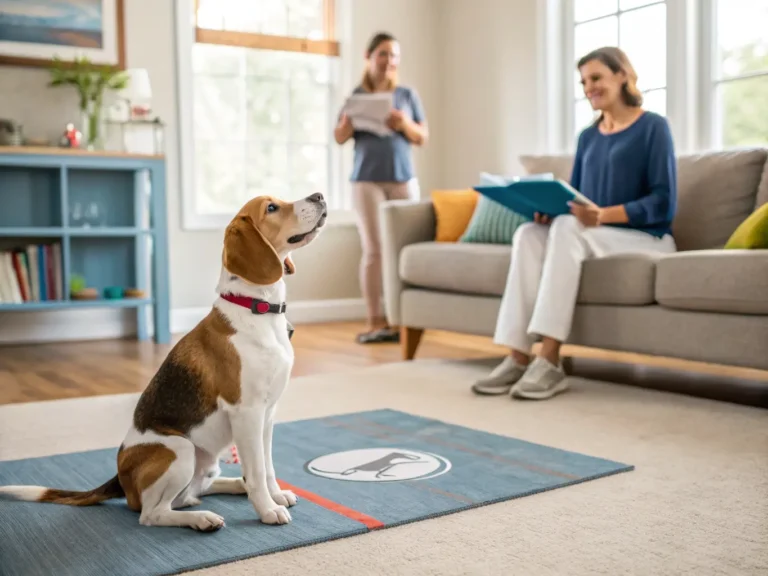
Settling and impulse control
Learning to switch off is just as important as learning active commands. Puppies can begin settling on a mat, waiting briefly and coping with small delays before gaining access to food, toys or greetings. These exercises support calmer behaviour at home and in public.
Comfortable handling
Positive handling exercises prepare puppies for grooming, health checks and veterinary care. Your puppy may practise having their ears, paws, mouth and body touched while remaining relaxed and receiving rewards. Owners also learn to recognise when a puppy needs a pause.
Safe socialisation
Socialisation is not unrestricted play. It means helping a puppy feel comfortable around different people, dogs, sounds, surfaces and environments. Classes provide opportunities to learn calmly near other puppies and to interact only when appropriate and carefully supervised.
Owner skills are central
Perhaps the most important learning happens at the human end of the lead. Owners discover how to choose suitable rewards, time them accurately, set achievable goals and respond when a puppy becomes distracted or tired. You will also learn how to prevent problems through good management.
Continue learning at home
Weekly classes cannot replace regular practice. Short sessions during meals, walks and play help your puppy use their skills in different situations. Progress will vary, so focus on steady improvement rather than comparing puppies.
Maisie’s puppy training classes use positive, reward-based methods and keep groups small. Classes and puppy support are available for owners in Redditch, Bromsgrove, Hanbury, Droitwich, Stratford-upon-Avon and surrounding areas. Contact Maisie’s Dog Training to find a suitable course.