A puppy’s first walks are filled with exciting smells, sounds and movement. Expecting them to walk perfectly beside you immediately is unrealistic, but early positive training can prevent pulling from becoming a strong habit. The goal is comfortable, loose-lead walking—not a formal heel for the entire walk.
Introduce equipment at home
Before heading outside, allow your puppy to become comfortable wearing a well-fitting collar or harness. Introduce it for short periods while offering food or play. Check the fit regularly because puppies grow quickly.
Attach a lightweight lead and supervise your puppy in a safe indoor area. Reward calm behaviour and remove the equipment before they become irritated or begin chewing it.
Reward the position you want
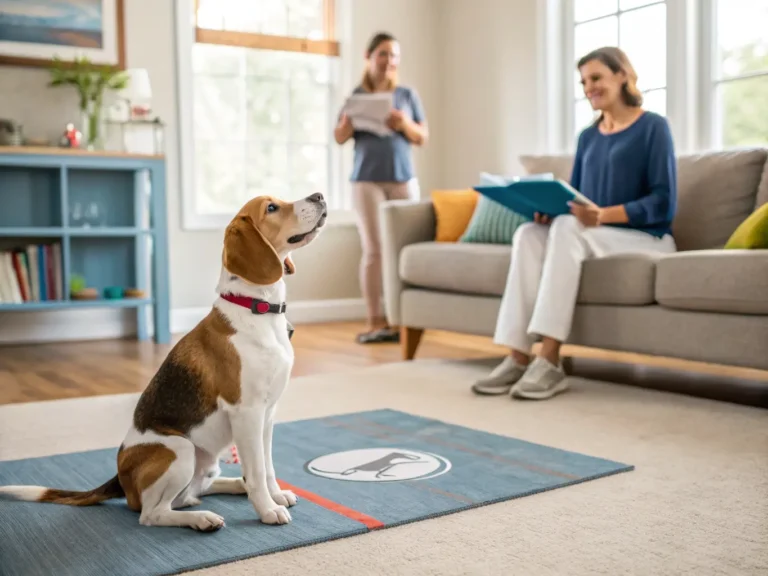
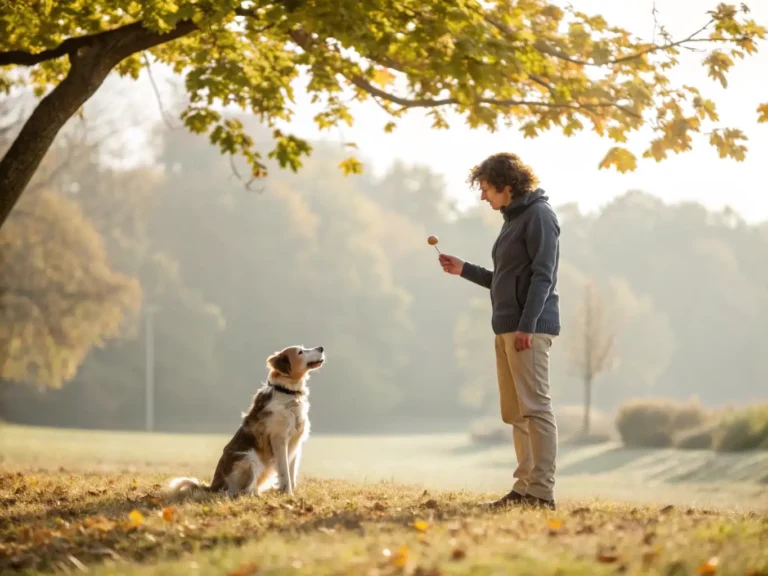
Begin in a quiet room or garden. Stand beside your puppy and reward them close to your leg. Take one or two steps, mark when they remain near you and reward again. Frequent rewards help the puppy understand where it is worthwhile to walk.
Practise on both sides if you prefer flexibility, or choose one side and remain consistent.
Teach that a loose lead moves forward
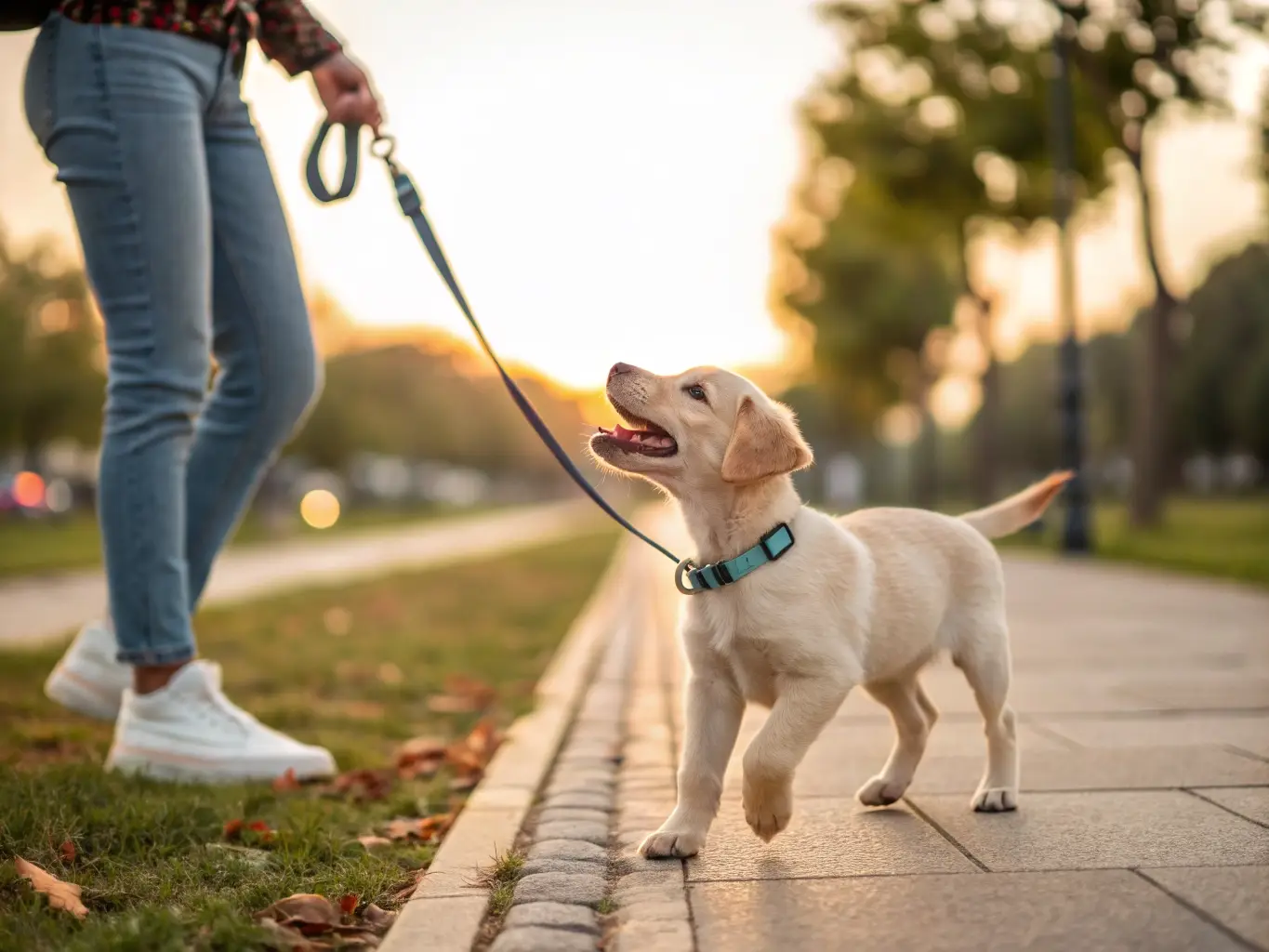
When the lead remains loose, continue walking. If your puppy reaches the end, pause. Encourage them back towards you and move forward again when the tension releases. Avoid dragging the puppy or allowing pulling to take them to every exciting destination.
This lesson requires consistency. If pulling regularly works when you are in a hurry, the behaviour will be more difficult to change.
Keep first walks short
Outside environments can be mentally tiring. Choose quiet routes and allow time for your puppy to stop, observe and sniff. A successful short walk is more valuable than a long outing that leaves the puppy overwhelmed and unable to concentrate.
Use sniffing as a reward
Sniffing is an important natural activity. Ask for a few loose-lead steps, then use a release word and allow your puppy to explore a safe patch. This makes staying close to you part of gaining access to the environment rather than preventing all enjoyment.
Help your puppy focus around distractions
Practise responding to their name and looking towards you before distractions are close. If your puppy cannot take food or respond, increase the distance from the person, dog or traffic. Do not force them past something they find frightening.
Avoid constant tension
Owners sometimes shorten the lead and hold it tight whenever another dog appears. Constant tension can be uncomfortable and leaves little opportunity for the puppy to learn. Maintain a safe distance, keep the lead as relaxed as possible and reward attention.
Common puppy lead-walking mistakes
- Beginning in an environment that is too distracting
- Expecting the puppy to stay beside you for the whole walk
- Rewarding too rarely during early practice
- Using the lead to pull the puppy into position
- Moving forward whenever the puppy pulls
- Not allowing enough time to sniff and explore
- Walking for longer than the puppy can comfortably manage
When to get professional support
If your puppy freezes, lunges, barks or appears worried outside, individual guidance can help. The training plan should address the puppy’s emotional response rather than focusing only on their position beside you.
Lead walking is covered in Maisie’s puppy training classes and individual puppy packages. Positive support is available across Redditch, Bromsgrove, Hanbury, Droitwich and Stratford-upon-Avon. Get in touch to start building relaxed walking habits.