Puppy training is an essential part of ensuring that your new furry friend becomes a well-behaved and obedient dog. Here are some basic tips to help you get started with puppy training:
Start puppy training early:
Begin training your puppy as soon as you bring them home. Puppies have a critical learning period between 3 and 14 weeks of age, so it’s important to start training during this time.
Socialisation:
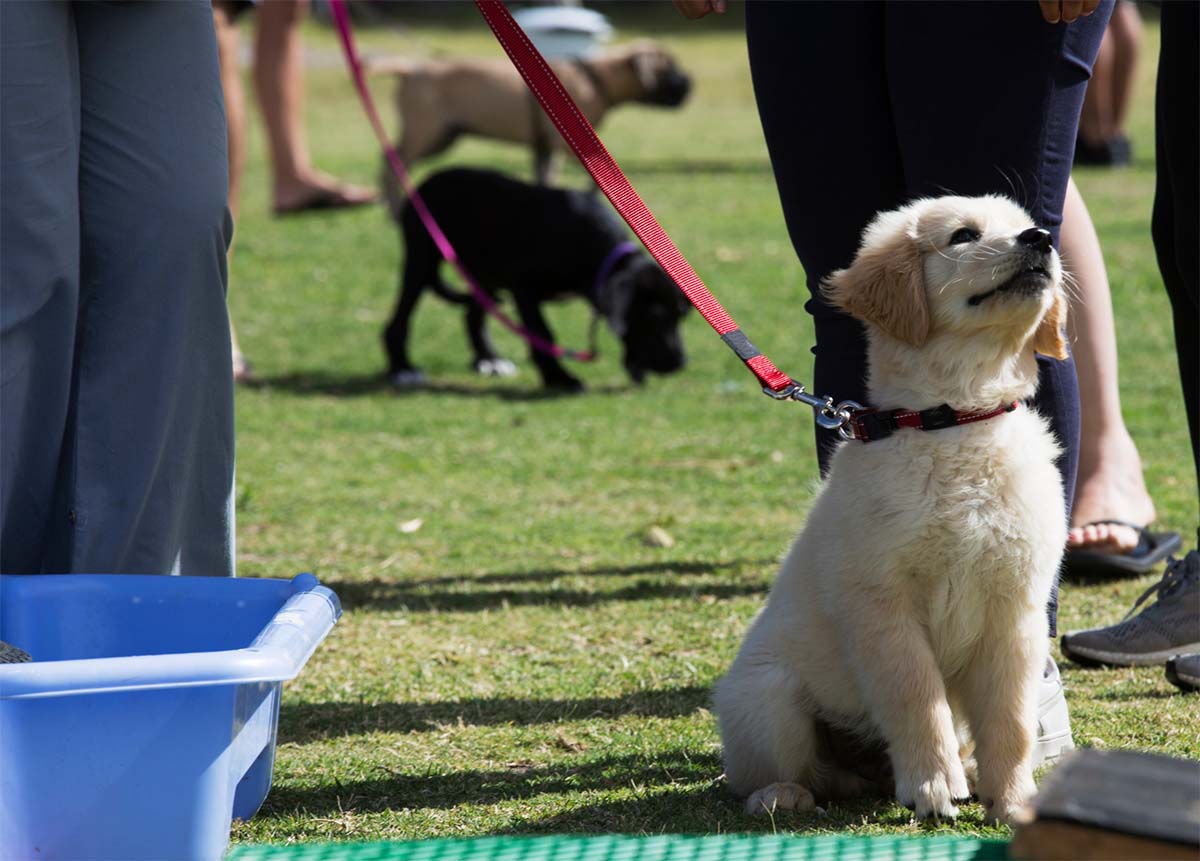
Introduce your puppy to different people, animals, sounds, and environments to help them become comfortable and well-adjusted. This will help prevent fear or aggression issues later on.
Positive reinforcement:
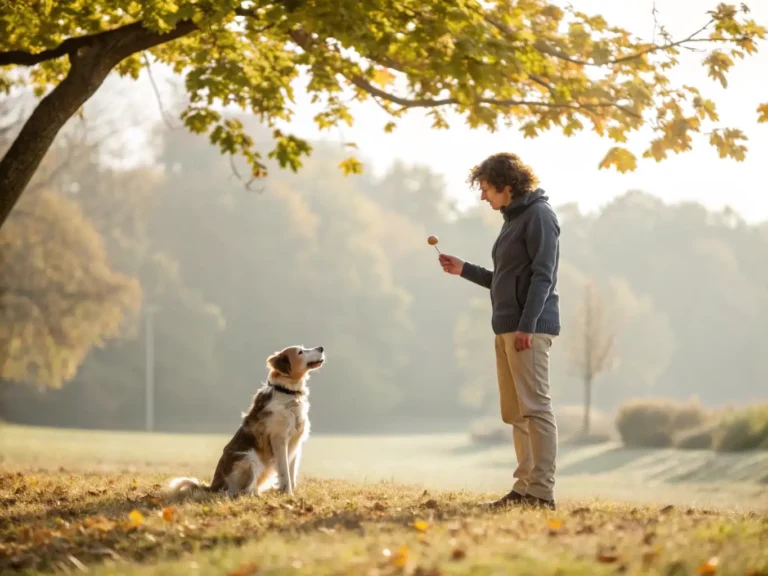
Use positive reinforcement techniques, such as treats, praise, and rewards, to encourage good behavior. Reward your puppy immediately after they exhibit the desired behaviour to reinforce it.
Basic commands:
Teach your puppy basic commands like “sit,” “stay,” “come,” and “down.” These commands are the foundation for further training and will help you control your puppy in different situations.
Consistency:
Be consistent with your training methods and commands. Use the same words and gestures each time to avoid confusing your puppy. Consistency helps them understand what is expected of them.
Crate training:
Introduce your puppy to a crate as a safe and comfortable space. Use positive reinforcement to associate the crate with positive experiences, and gradually increase the time they spend in it.
Potty training:
Establish a routine for bathroom breaks and take your puppy outside frequently, especially after meals, playtime, or naps. Reward them when they eliminate outside and be patient during the learning process.
Avoid punishment:
Avoid harsh punishment or physical corrections. Instead, focus on positive reinforcement and redirection. Positive training methods create a trusting and cooperative bond with your puppy.
Chew toy training:
Puppies often explore the world with their mouths. Provide appropriate chew toys to redirect their chewing behavior away from your belongings. Encourage and praise them when they chew on their toys.
Patience and persistence:
Remember that training takes time and patience. Puppies have short attention spans, so keep training sessions short and fun. Practice regularly and be consistent with your training efforts.
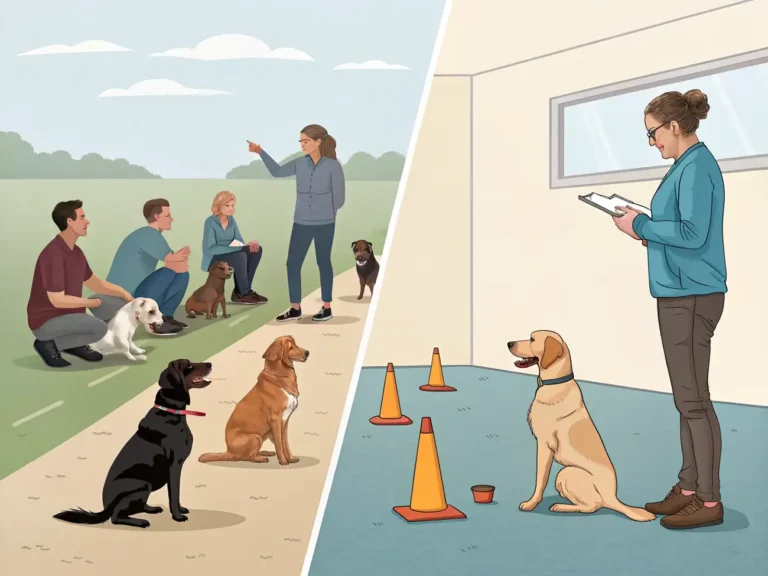
Remember, it’s important to tailor your puppy training approach to your puppy’s breed, age, and individual personality. If you encounter any specific challenges or have questions, consult a professional dog trainer for guidance and support.